Request
Information

Digital Talent
Admission

About the School & Divisions

Creating the information society of the future through electrical, electronic, and information communication technologies Creating the information society of the future through electrical, electronic, and information communication technologies

In the School of Electrical Information and Communication Engineering, students acquire a broad foundation of knowledge in areas such as electrical energy, which supports social infrastructure, advanced electronic materials and devices that drive the development of electronic equipment like smartphones, and new information and communication technologies such as artificial intelligence, security, quantum information, and information networks, while also gaining the opportunity to study specialized fields of interest in greater depth.

Learning in the School of Electrical, Information and Communication Engineering

At Kanazawa University’s College of Science and Engineering, a “progressive selection system” is implemented, in which students decide on their specialized field after first studying the fundamentals of various research areas. In the School of Electrical, Information and Communication Engineering, students choose either the “Course in Electrical and Electronic Engineering” or the “Course in Information and Communication Engineering” according to their interests and aptitudes.

  • First year

    Learn the fundamentals and
    broaden perspectives
    Learn the fundamentals and
    broaden perspectives

    After enrollment, students mainly study subjects that form the foundation of their specialized fields, while also gaining exposure to a wide range of areas to clarify their academic goals throughout university life. Based on the knowledge and experience acquired in the first year, they are assigned to a specialized course — the Course in Electrical and Electronic Engineering or the Course in Information and Communication Engineering — at the beginning of their second year.

  • Second and
    third years

    Learn a specialization and set
    goals
    Learn a specialization and set
    goals

    In the second and third years, students deepen their knowledge and learning within their assigned specialized course. As their studies progress, they clarify their goals by considering which fields they would like to play an active role in the future and what kind of contributions they aim to make to society.

  • Fourth year

    Acquire problem-solving skills Acquire problem-solving skills

    In the fourth year, students choose a laboratory to join. After joining, they apply the knowledge and experience they have gained to learn how to solve problems independently through a research theme selected with their academic advisor. At the end of the year, they present their research results at the Graduation Research Presentation and complete their studies.

Educational System of the School of Electrical Information and Communication Engineering

  1. 01

    Broad-based
    Specialized Education
    Broad-based
    Specialized Education

    Alongside subjects in information mathematics and computer science, the curriculum offers a wide range of specialized applied courses in electrical, electronic, information, and communication fields, enabling students to acquire broad knowledge and skills.

  2. 02

    Well-equipped
    Educational Facilities
    Well-equipped
    Educational Facilities

    The school is well equipped with measurement and evaluation facilities for areas such as electrical energy, electronic devices, optoelectronics, and electromagnetic waves. In addition, a computer system for information education has been established, allowing students to acquire practical skills ranging from networking to computer programming.

  3. 03

    Specialized Education
    Through Hands-on
    Experiments
    Specialized Education
    Through Hands-on
    Experiments

    Alongside subjects in information mathematics and computer science, the program offers a rich selection of specialized applied courses in electrical, electronic, information, and communication fields, enabling students to acquire a broad range of knowledge and skills.

  4. 04

    Cultivating Specialized
    Creativity Through
    Comprehensive Practical
    Courses
    Cultivating Specialized
    Creativity Through
    Comprehensive Practical
    Courses

    Through well-structured, step-by-step comprehensive practical training—including courses in presentation and debate, independent project research, off-campus technical training, and graduation research—students develop problem-solving skills, creative application abilities, teamwork, and presentation skills.

Course in Electrical and Electronic Engineering

Taking on challenges in ICT, energy, and environmental issues, we foster frontrunners in electrical and electronic engineering technology. Taking on challenges in ICT, energy, and environmental issues, we foster frontrunners in electrical and electronic engineering technology.

Electrical energy technologies, electronics technologies, and signal processing and communication technologies support and advance sustainable, highly information-oriented societies. In the Course in Electrical and Electronic Engineering, the goal is to cultivate “technology development frontrunners” who contribute to society through cutting-edge electrical and electronic technologies and take on a wide range of social challenges.

Key Points of Learning
  1. POINT 01

    Semiconductor engineering, electronic devices, and process technologies for realizing advanced electronic materials and novel functional devices

  2. POINT 02

    Technologies for the generation, conversion, and transmission of electrical energy to support growing energy demand

  3. POINT 03

    Optical devices, optical communications, and ultra-high-speed electronics for realizing large-capacity communication and ultra-fast computers

  4. POINT 04

    Signal processing and electromagnetic wave measurement technologies that realize higher processing speed and flexibility from a systems perspective

Electronics technologies are applied in places like these?!

Advanced electronics technologies are used in computers, optical communications, digital home appliances, mobile devices, satellite communications, and high-capacity memory cards. Moreover, electronics serve as key technologies across diverse fields such as automobiles, aircraft, robotics, medical equipment, and environmental measurement.

Distinctive Research Themes

  1. 01 Plasma Applications

    Plasma is known as the fourth state of matter and is one of the fundamental technologies supporting modern society. Its applications are extremely diverse, ranging from semiconductor device microfabrication used in smartphones to material synthesis related to energy and the environment, and more recently expanding into the medical and agricultural fields. Research efforts focus on adding new functions to plasma, developing novel methods to control plasma–wall interactions, promoting large-scale synthesis and surface modification of nanoparticles and nanowires useful for the energy and environmental fields, and advancing plasma processes for semiconductor manufacturing that reduce environmental impact.

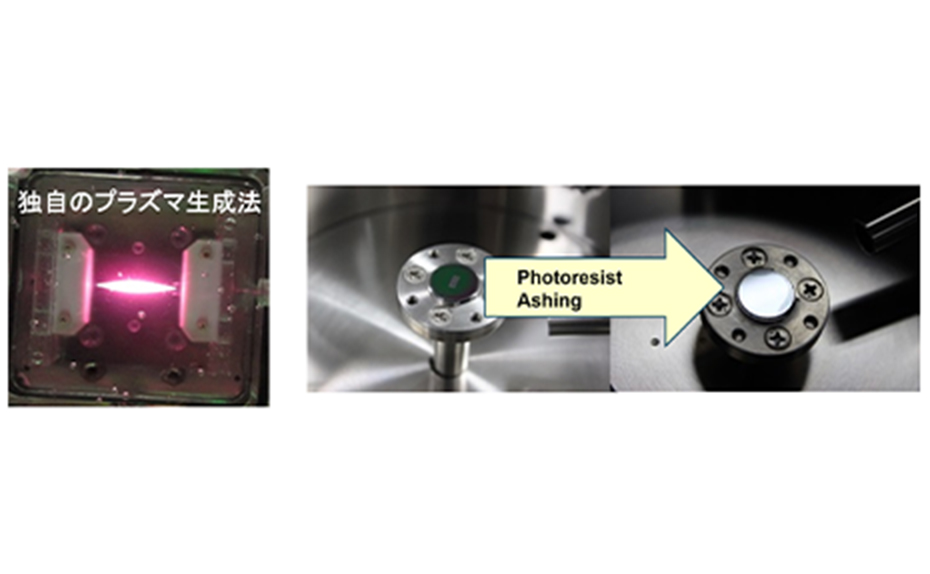
    We are developing a rapid removal method for organic thin films (resists) using water vapor plasma. This research aims to reduce the environmental impact and enhance the sophistication of semiconductor manufacturing processes. Water vapor plasma generates chemically reactive species such as OH, H, and O, enabling high-speed removal of organic thin films.
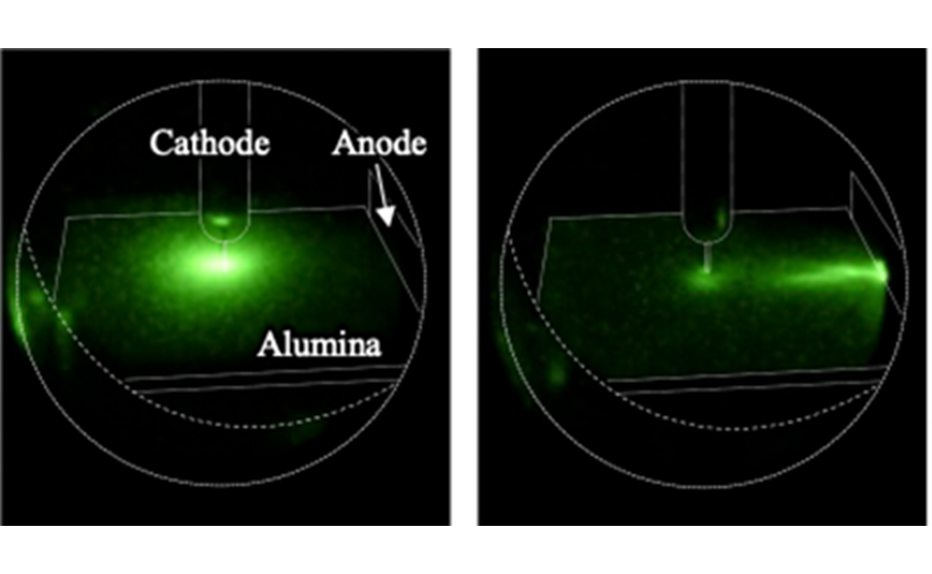
    The luminescence pattern of surface discharge propagation in a vacuum (exposure time: 100 ns) is being studied to clarify the mechanism of surface discharge on insulating materials in a vacuum, with the aim of suppressing discharge and improving dielectric strength.
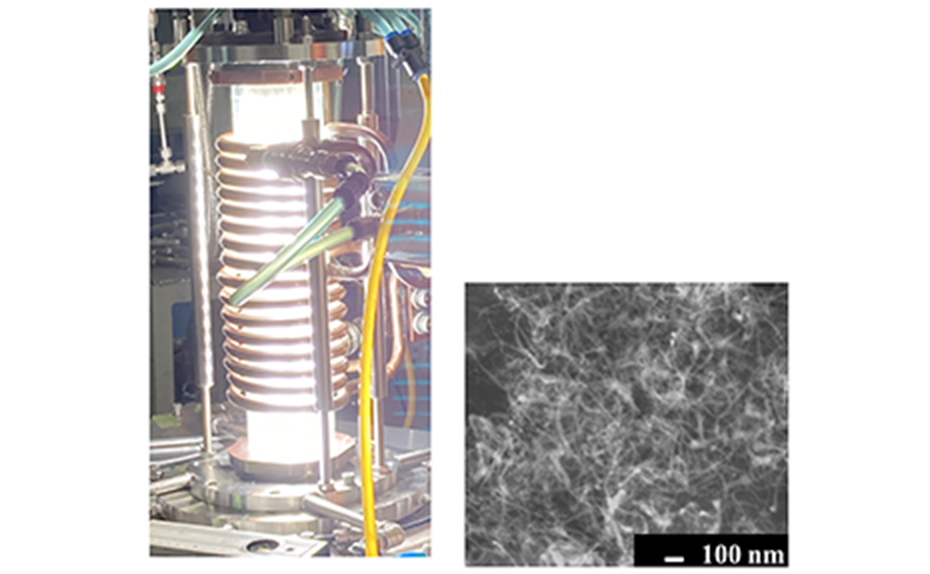
    A novel tandem-modulated induction thermal plasma for nanoparticle generation, through which we have successfully achieved large-scale synthesis of nanoparticles and nanowires using our original method.
  2. 02 Diamond Semiconductors

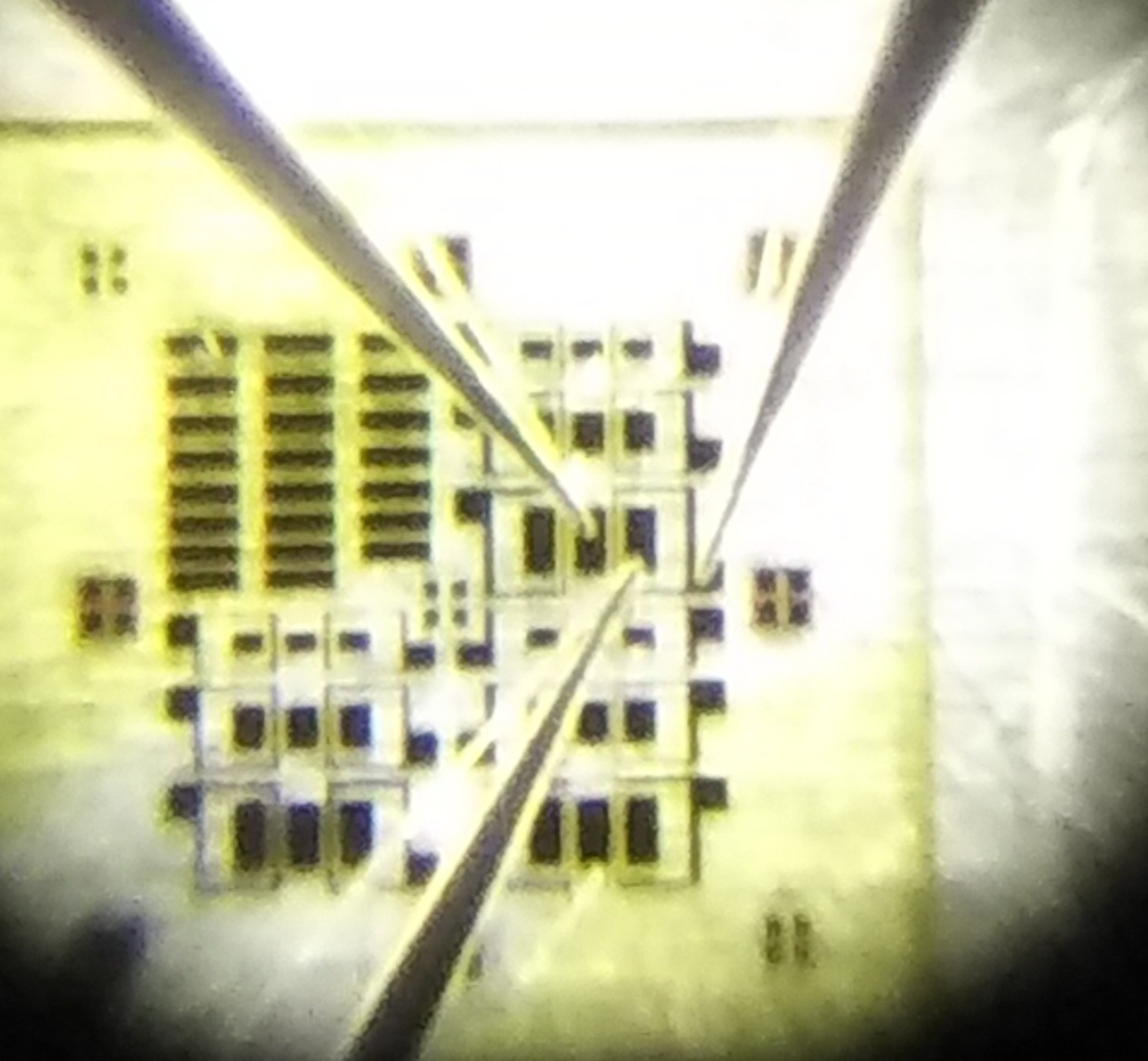
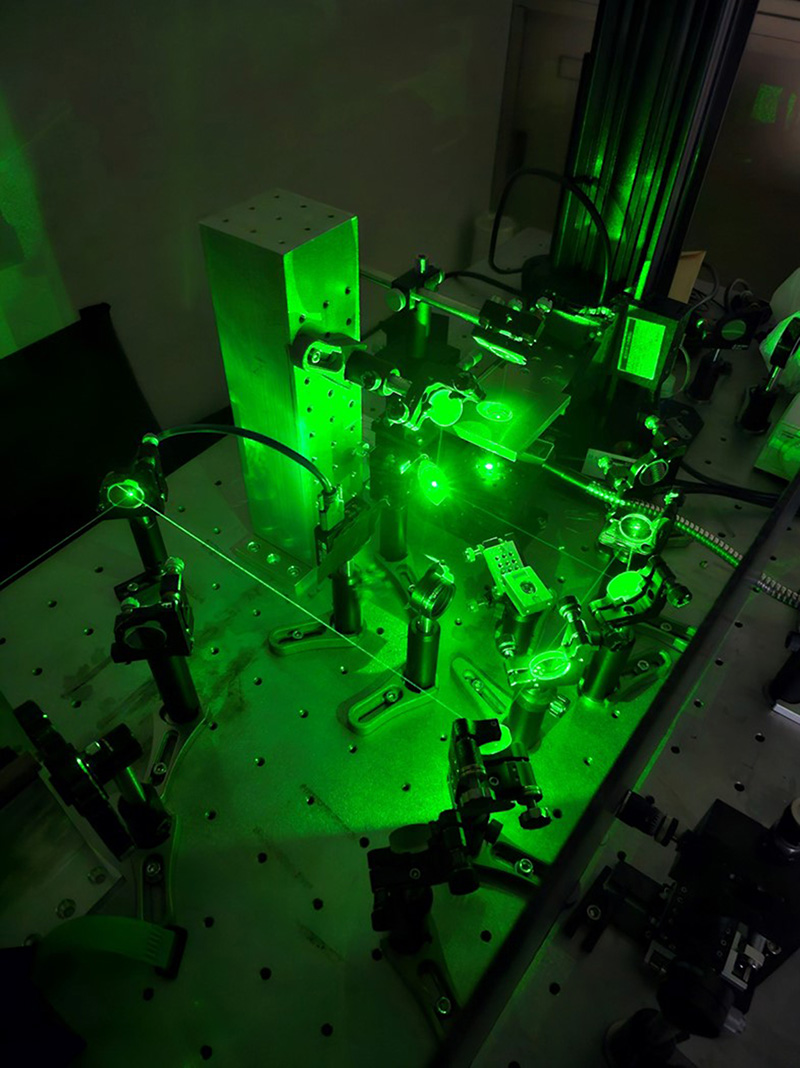
    Diamond is said to be the ultimate semiconductor, possessing extremely high thermal conductivity, high carrier mobility, and a wide breakdown electric field. In the Thin-Film Electronics Laboratory, research is conducted seamlessly from diamond crystal growth to device applications. In device applications, studies focus on low-loss semiconductor devices (see Fig. 1), quantum sensors that operate at room temperature (see Fig. 2), and electrochemical electrodes that convert CO₂ into resources (see Fig. 3).

    Optical microscope image of a diamond MOSFET
    Evaluation system for diamond quantum sensors
    CO₂ reduction using diamond electrodes
  3. 03 Radio wave visualization, space exploration, and artificial satellites
    (1) Understanding the Earth and Space Environment through Radio Waves

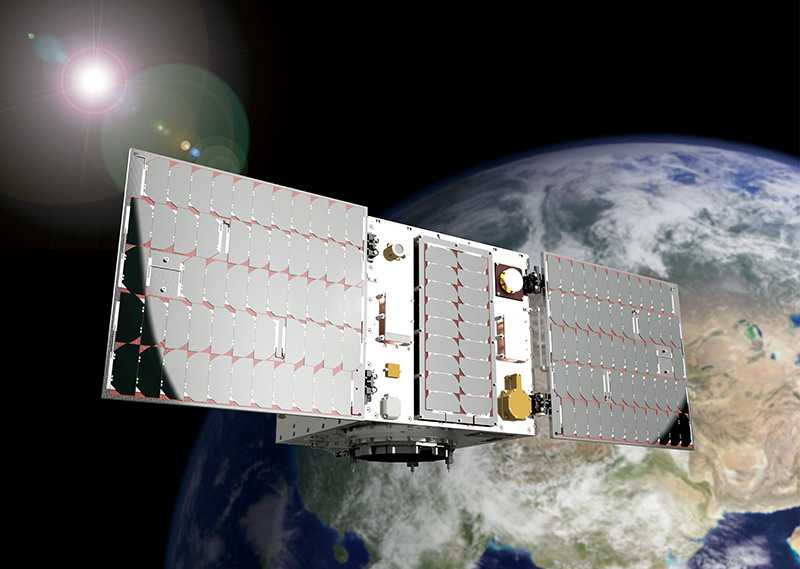
    In the space surrounding the Earth, natural radio waves and auroras are observed by scientific satellites (Arase, Mio). Using noise reduction through signal processing and aurora image analysis, we study the space environment that is crucial for the safe and reliable operation of commercial satellites (for communication, broadcasting, and meteorology). We are also participating in the Kanazawa University Satellite Project, which develops in-house micro/nano-satellites, and are designing and developing instruments and software that actually fly in space as onboard satellites.

    (2) Radio Wave Environment and Utilization

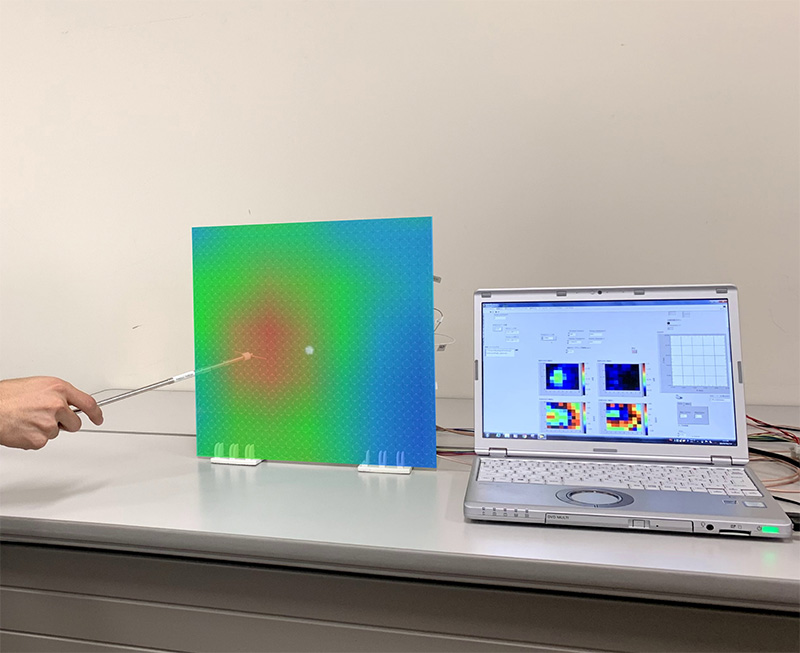
    We are conducting research on systems that enable convenient measurements of radio waves emitted from mobile phones and electrical appliances around us, as well as on the analysis of radio wave environments. To capture invisible radio waves intuitively, we are actively working on research and development to “make radio waves visible,” which is attracting attention both in Japan and abroad as a cutting-edge approach in the expanding field of IoT.

    Kanazawa University microsatellite (Artist’s impression)
    Radio wave visualization experiment
  4. 04 Vibration power generation

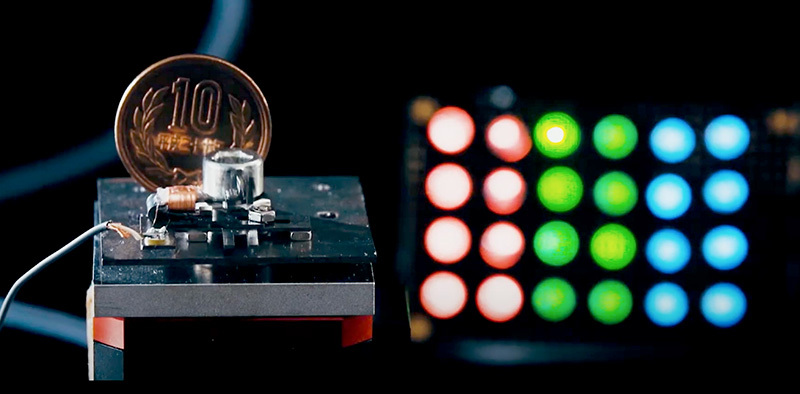
    We are conducting research on power generation from vibration. The power generation device, which uses a magnetostrictive material made from an iron–gallium alloy, is simple, durable, and highly efficient. By generating electricity from vibrations, human movement, and the motion of objects in our surroundings, this technology can power information transmission for monitoring to detect abnormalities in structures (such as bridges and tunnels) and machines, as well as for security, disaster prevention, and safety monitoring. In addition, by harnessing waves, air, and water flows, it enables new forms of wind and wave power generation not possible with conventional methods.

    Vibration power generation in action: the generated electricity lights up an LED panel

Course in Information and Communication Engineering

We are nurturing the next generation of experts to play active roles in an advanced information society. We are nurturing the next generation of experts to play active roles in an advanced information society.

With the rapid evolution of artificial intelligence and the emergence of new quantum information technologies, we are entering a period of major transformation in industrial structures and living environments. We foster human resources equipped with specialized knowledge and practical skills to become engineers and researchers who will lead the highly advanced information and communication technologies (ICT) of the future.

Key Points of Learning
  1. POINT 01

    Artificial intelligence is applied across a wide range of fields such as language processing and autonomous driving

  2. POINT 02

    Cybersecurity technologies, including advanced cryptography, that support secure communications

  3. POINT 03

    Quantum information technologies that use superposition to enable computations impossible for classical computers

  4. POINT 04

    Information networks that connect computers and communication devices to exchange data

Information and communication technologies are applied in places like these.

Information and communication technologies play a vital role across a wide range of areas in society, including computer hardware and software, IoT devices, smartphones, space communications, information retrieval, encrypted communications, and cryptocurrencies.

Distinctive Research Themes

  1. 01 AI processors for autonomous driving

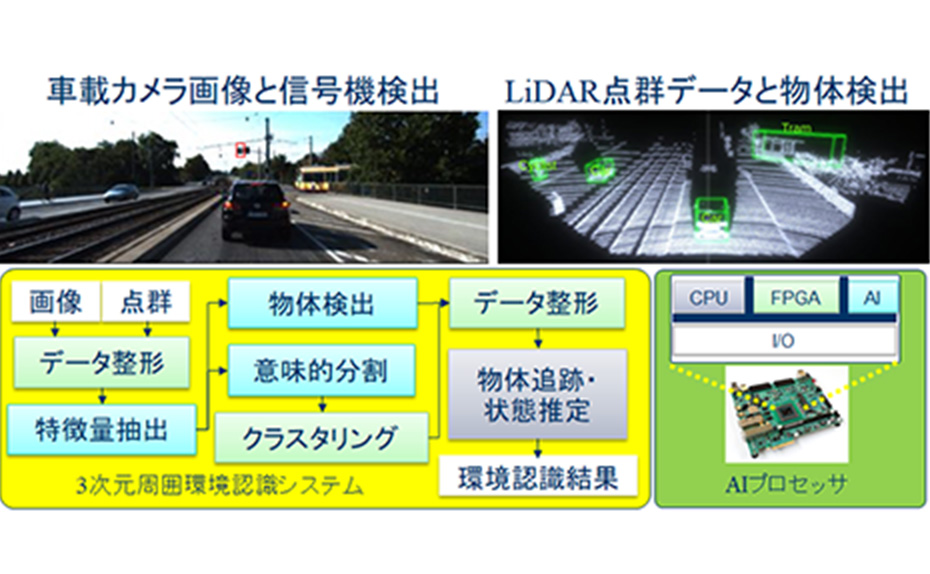
    To drive a vehicle autonomously, it is necessary to recognize the surrounding environment in real time. The figure on the left shows the processing flow, which takes as input camera images and point clouds obtained from a LiDAR sensor that measures distances based on the time it takes for laser light to reflect off objects and return. Detecting and tracking moving objects such as nearby vehicles and pedestrians, as well as recognizing roads and sidewalks to determine drivable spaces, requires high computational power. However, battery capacity is limited, and installing a large PC in a vehicle is not feasible. To address this, we are developing a low-power, dedicated AI processor capable of real-time environmental recognition for autonomous driving.

    AI Processor for Environmental Recognition in Autonomous Driving
  2. 02 Security

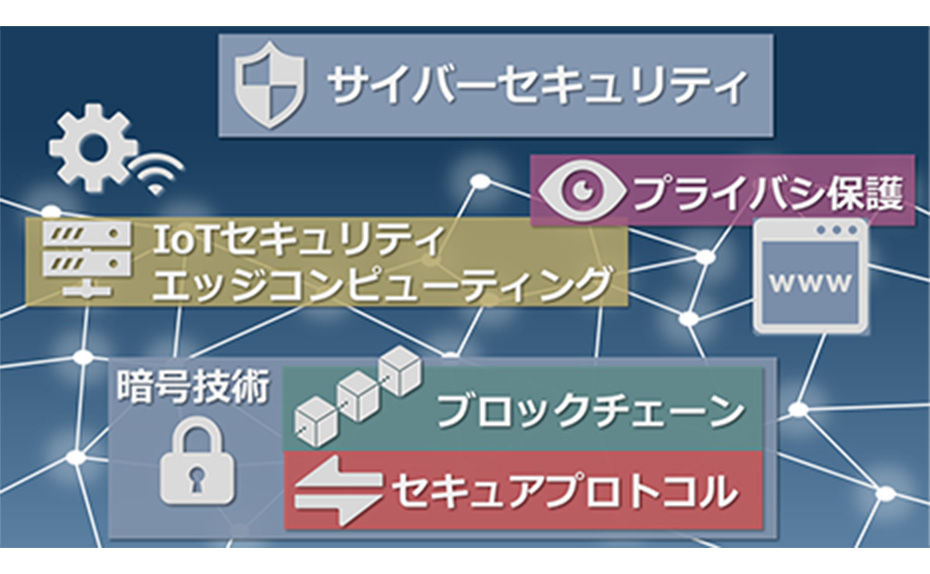
    The importance of cybersecurity technologies as fundamental infrastructure supporting the information society is increasing. By developing core technologies such as advanced cryptography and using them to build secure protocols like blockchain, we aim to realize a secure and reliable networked society. In addition, data related to personal privacy collected through IoT is expected to be analyzed and utilized by AI. Our research focuses on IoT and AI data processing technologies and anonymity evaluation metrics to ensure the secure collection and analysis of such data.

    Security technology
  3. 03 Quantum information

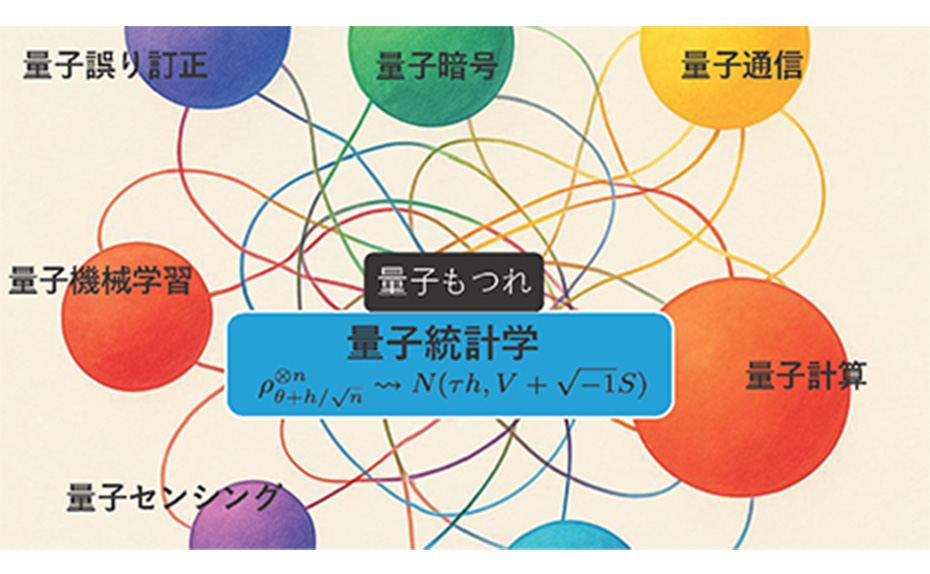
    Quantum information processing using quantum computers is considered to offer significant advantages over conventional methods in several respects. By leveraging quantum entanglement and superposition, it is expected to enable fast algorithms as well as secure and efficient communication, with applications extending to AI and machine learning. At its foundation lie the statistical structures and behaviors of information arising from quantum entanglement. Our research aims to understand the essence of quantum information from a statistical perspective through theory and simulation, clarifying what is possible and what is not.

  4. 04 Intelligent image processing

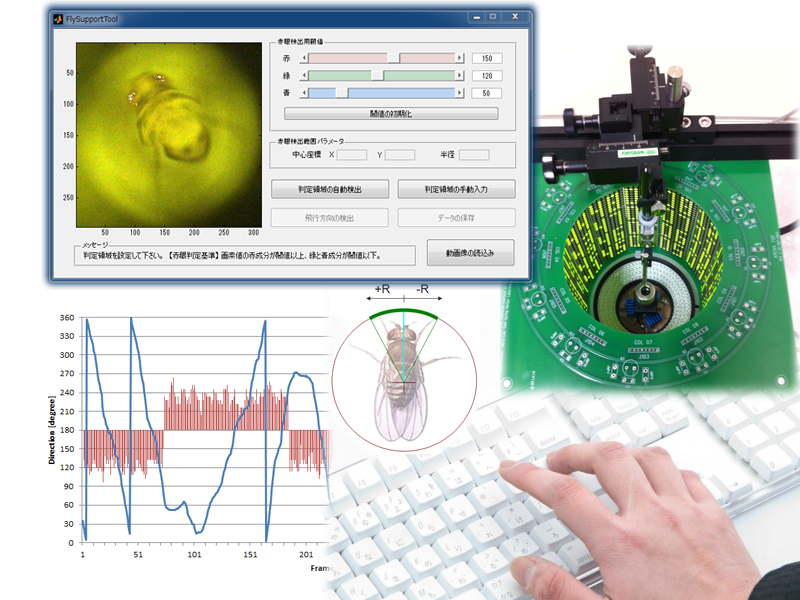
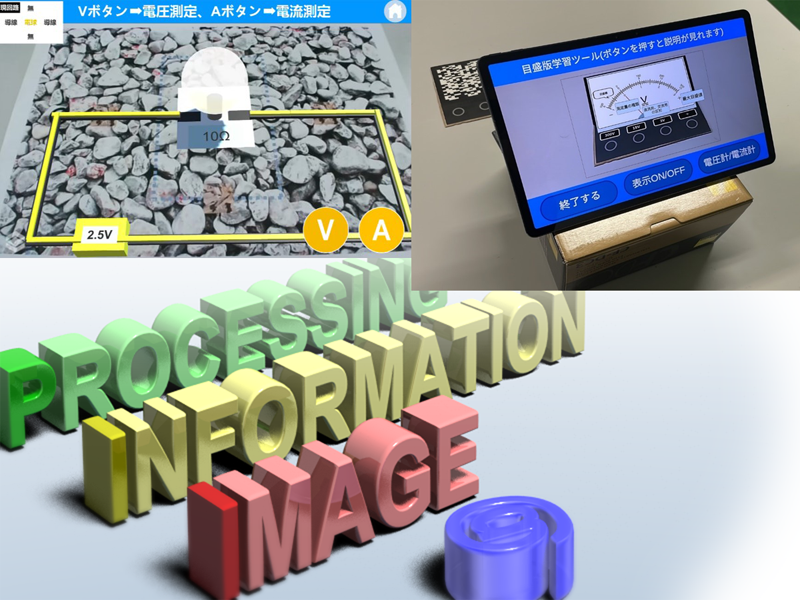
    Artificial intelligence (AI), which reproduces human intellectual activities on computers, is attracting attention. The high performance of AI is made possible by machine learning, which extracts features and patterns in given data and enables processing suited to purposes. Machine learning is particularly well suited to image processing and is widely applied in various fields. Our research on intelligent image processing includes detecting the flight direction of Drosophila for biological analysis, automatic diagnosis of liver fibrosis based on MRI, and learning support systems using augmented reality (AR).

    Detection of fruit fly flight direction
    Learning Support Using Augmented Reality (AR)

Learning in a major at the School of Electrical Information and Communication Engineering

We provide comprehensive education and research in the fields of electrical, electronic, information, and communication engineering.

  • Master’s
    Program

    Becoming an international
    researcher or engineer
    Becoming an international
    researcher or engineer

    We aim to cultivate researchers and engineers in the fields of electrical and electronic engineering and information and communication engineering who are imaginative, motivated to pioneer new fields, independent, capable of leadership, and globally minded. In addition to their expertise, we foster individuals who can tackle comprehensive and interdisciplinary challenges, ranging from the latest information technologies to global energy strategies and environmental issues. Furthermore, as specialists able to share knowledge worldwide, we nurture international professionals with strong skills in presenting and discussing research results, as well as in communicating effectively in English.

  • Doctoral
    Program

    Toward Pioneering Research that
    Leads the World
    Toward Pioneering Research that
    Leads the World

    In the field of electronic information science, we aim to cultivate researchers and engineers with rich creativity and advanced research and development capabilities who can adapt to diverse scientific developments and lead the world. The specialized areas covered extend broadly, from electrical and electronic engineering (including energy, devices, and nanotechnology) to information and communication engineering (including artificial intelligence, information security, quantum information, and information networks), and further encompass comprehensive academic fields that integrate these technologies across a wide range of science and technology.